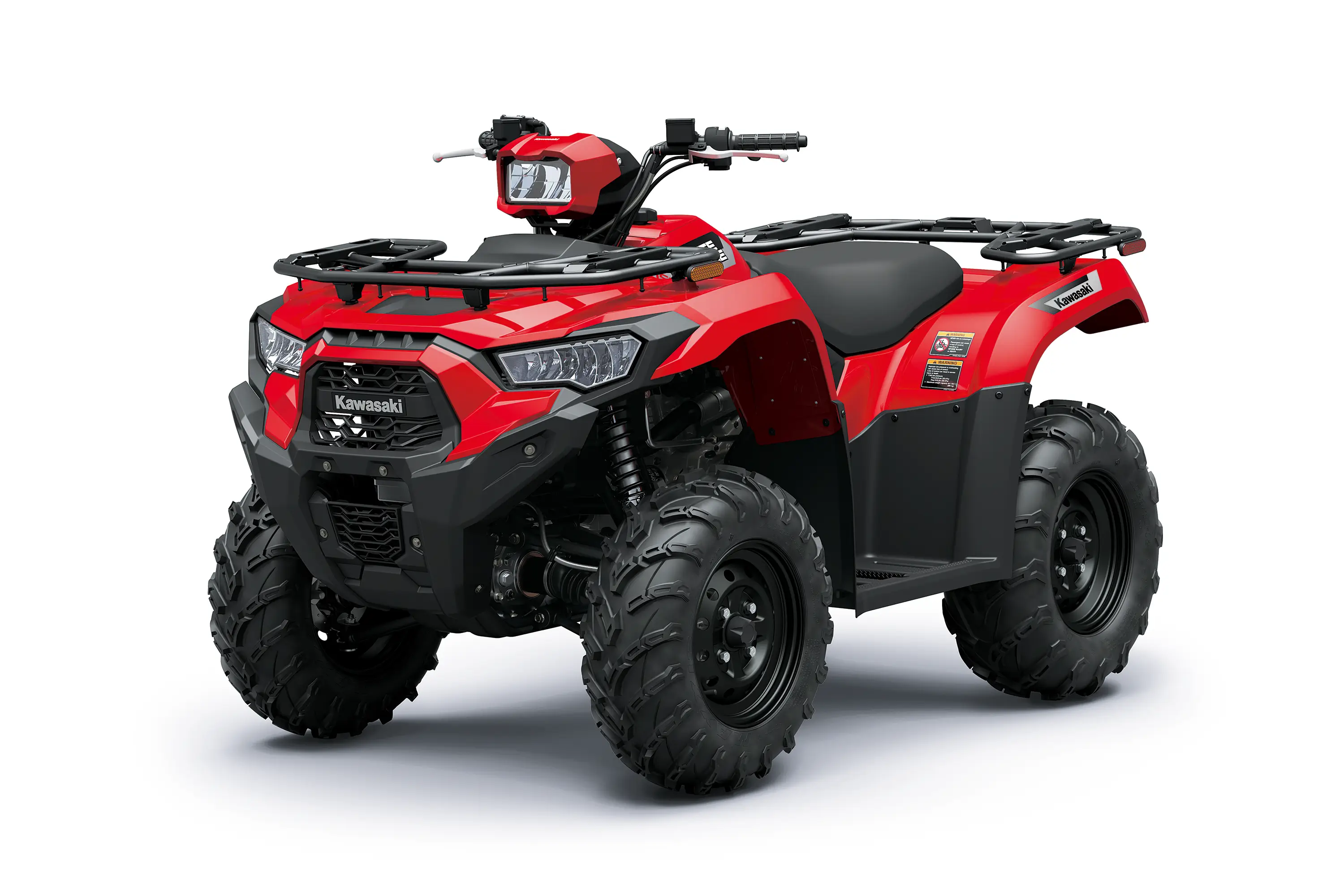
The 2026 Kawasaki Brute Force 450 4x4 is a compact utility ATV that earns its appeal through honest numbers, not oversized claims. The base machine starts at $6,899 plus a $600 destination charge, makes 32 hp from a 443cc fuel-injected single, weighs 688 lb at the curb, and is only 43.3 inches wide. It is a practical size for wooded trails, chores, and a smaller trailer, while still carrying a real 1,050-lb towing rating and 225 lb of rack capacity.
This review is for the base 4x4, not the $7,999 EPS trim. That distinction is important. Both share the engine, 4WD system, chassis, and work ratings, but the base ATV has conventional tie-rod steering. It is the value-first option for a rider who can live without power assist; it is not a way to get EPS quietly included in the lower price.
Price, trim choice, and the compact-ATV case
Including destination, the base Brute Force starts at $7,499 before ordinary ownership costs. It is not the cheapest utility ATV available, but it has genuine independent four-wheel suspension, fuel injection, selectable 4WD, 24-inch tires, racks, a two-inch receiver, and LED headlight equipment. That is the right context for the price.
The 43.3-inch overall width is a major advantage for a buyer with narrow access. It is not a 50-inch trail machine by legal definition everywhere, so local route rules still matter, but it is considerably easier to live with than a 48-inch-plus full-size ATV. At the same time, the smaller footprint means less ground clearance and suspension travel than a premium 700-class machine. The decision should start with the terrain and access you actually have, not the size of a number on a brochure.
A real, usable 443cc engine
Kawasaki rates the liquid-cooled SOHC single at 32 hp at 7,000 rpm and 24.6 lb-ft at 6,500 rpm. Fuel injection uses a 38mm throttle body, and power runs through an automatic CVT with a centrifugal clutch and high, low, neutral, and reverse ranges. It is enough power for property work, hunting access, and sensible trail riding. It is not designed to imitate the acceleration or load authority of a 700- or 750-class twin.
Selectable 2WD/4WD and the dual-mode front differential give the rider control over traction. Use 2WD when it fits the ground and steering effort matters; choose 4WD or the more aggressive front-differential setting for the slow, slippery part of a job. The point is to select the least aggressive setting that gets the ATV through cleanly, rather than keeping every traction aid engaged on hard ground.
Work ratings you can plan around
Kawasaki publishes a 1,050-lb towing capacity and 225 lb of total rack capacity: 75 lb front and 150 lb rear. The racks are KQR-system compatible, which makes it easier to add purpose-specific boxes or accessories later. Those ratings make the Brute Force a sensible option for tools, feed, fencing materials, small trailers, and gear—but they do not eliminate the need to judge tongue weight, trail slope, braking distance, and trailer condition.
The base Brute Force 450 does not include a factory winch. That is an accessory decision, along with extra rack capacity, guards, and storage. Buyers who expect recovery work or frequent deep mud should budget for the required protection instead of treating the entry price as the fully equipped price.
Chassis and comfort: compact does not mean crude
Independent dual A-arm suspension provides 7.6 inches of front travel and 7.9 inches at the rear, with adjustable spring preload. Ground clearance is 9.3 inches. The 24 x 8-12 front and 24 x 10-12 rear tires are appropriate for the vehicle’s mission, but they will not offer the rollover clearance or bump compliance of a larger machine on the same obstacle.
Front braking comes from dual 202mm discs, with a single 202mm rear disc. The dash covers the information owners actually use: speed, rpm, gear position, fuel, clock, odometer, hour meter, trip meter, and 4WD/differential indications. Kawasaki lists a 12-month limited warranty, with optional Kawasaki Protection Plus coverage available.
The non-EPS steering is the clearest tradeoff. On light, flowing ground it is a reasonable sacrifice for the lower purchase price. In slow technical turns, with a load on the racks, or on a long day, EPS reduces fatigue in a way that becomes obvious. If those uses define your riding, the extra $1,100 for the EPS trim deserves serious consideration.
2026 Kawasaki Brute Force 450 4x4 specifications
| Specification |
2026 Brute Force 450 4x4 |
| Engine |
443cc liquid-cooled SOHC single; fuel injection with 38mm throttle body |
| Factory-rated output |
32.0 hp at 7,000 rpm; 24.6 lb-ft at 6,500 rpm |
| Transmission |
Automatic CVT with centrifugal clutch; H/L/N/R |
| Drive system |
Selectable 2WD/4WD with dual-mode front differential; shaft drive |
| Wet/curb weight |
688.0 lb curb weight |
| Overall width / length / height |
43.3 / 80.1 / 46.7 in |
| Wheelbase / ground clearance |
47.8 / 9.3 in |
| Fuel capacity |
4.2 gal |
| Towing / rack capacity |
1,050 lb / 225 lb total (75 lb front, 150 lb rear) |
| Tires |
24 x 8-12 front; 24 x 10-12 rear |
| Suspension travel |
7.6 in front / 7.9 in rear |
| Warranty |
12-month limited warranty |
| Base MSRP / destination |
$6,899 / $600 |
How it compares
The 2027 Kawasaki Brute Force 750 EPS costs substantially more but brings a 50-hp V-twin, standard EPS, a variable front differential lock, a TFT display, and more rack capacity. The 450 is the compact, budget-conscious choice; the 750 makes sense for heavier work, faster riding, or owners who know they want EPS from the start. Compare them →
The 2027 Yamaha Grizzly EPS is a larger, 686cc EPS-equipped one-rider utility ATV with 26-inch tires and more suspension travel. The Kawasaki is narrower and far less expensive, but it gives up power steering, ground clearance, tire size, and Yamaha’s more premium chassis equipment. Compare them →
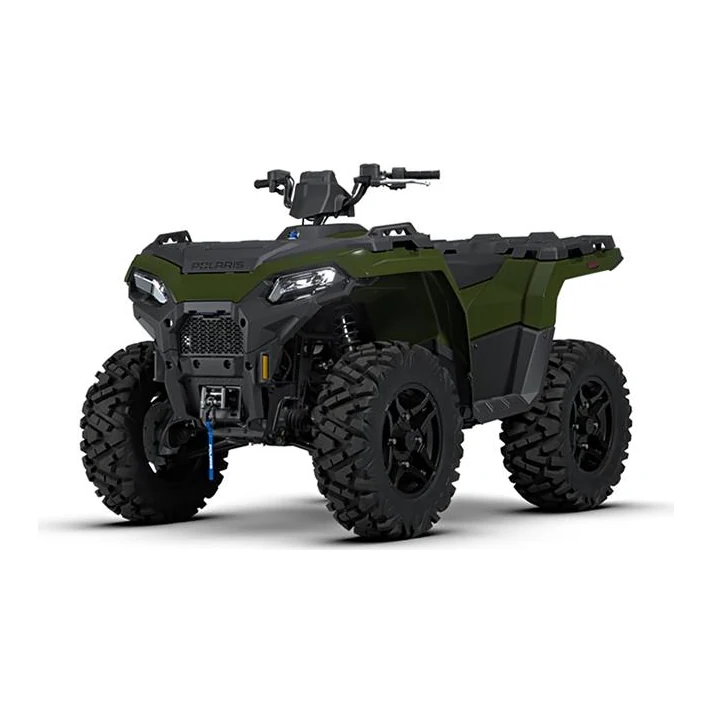
The 2027 Polaris Sportsman 500 is another value-led utility ATV. It has a 499cc engine, a factory 2,500-lb winch, 1,350-lb towing rating, and a much wider 48-inch body. The Brute Force is the better narrow-footprint option; the Polaris has a stronger standard equipment and work-capacity case. Compare them →
The 2027 Can-Am Outlander 500 is a lower-priced, rear-wheel-drive 650cc option. It makes sense only when 2WD and the lack of EPS are acceptable. The Kawasaki costs a little more but adds selectable 4WD, a dual-mode front differential, and a compact trail-friendly footprint. Compare them →
Verdict
The 2026 Kawasaki Brute Force 450 4x4 is a well-focused compact utility ATV. It has a credible 32-hp fuel-injected engine, published towing and rack ratings, selectable 4WD, independent suspension, and an unusually manageable 43.3-inch width. For a rider whose work and trails reward a smaller machine, those are stronger reasons to buy than a dramatic power claim.
The base trim’s conventional steering is its honest compromise. It keeps the price approachable, but it will be felt in tight, rough, or fully loaded use. Choose the base 4x4 when compact size and value are the priority; step to the EPS trim when steering comfort is part of the job rather than a luxury.