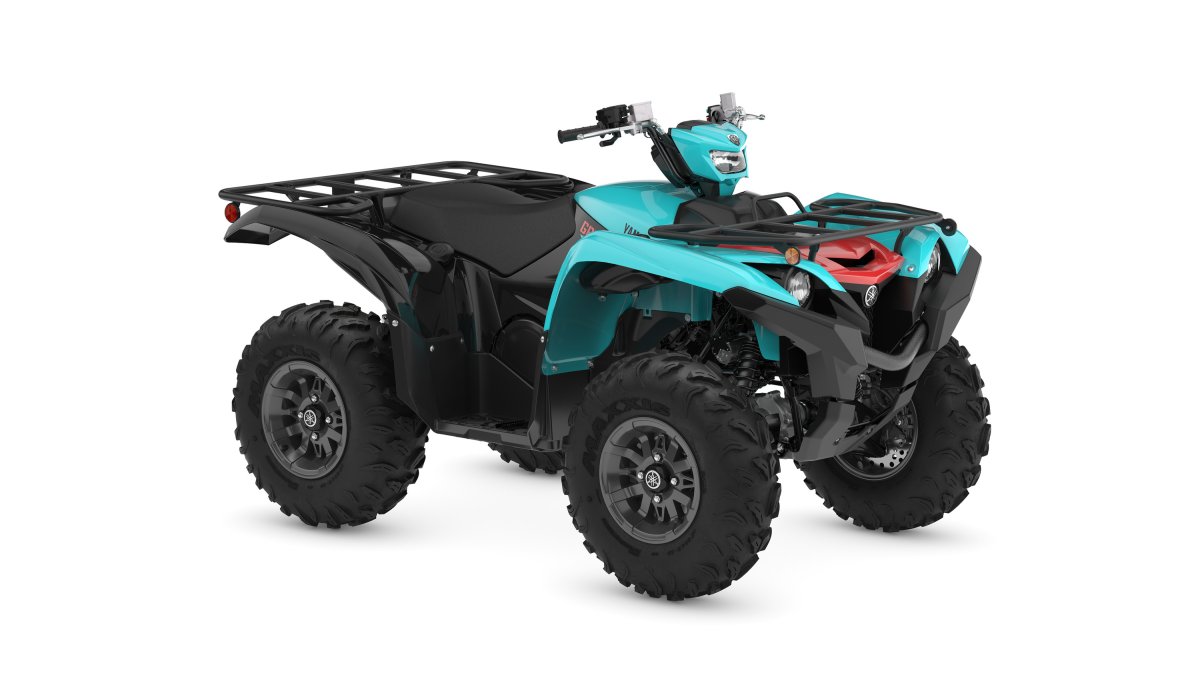
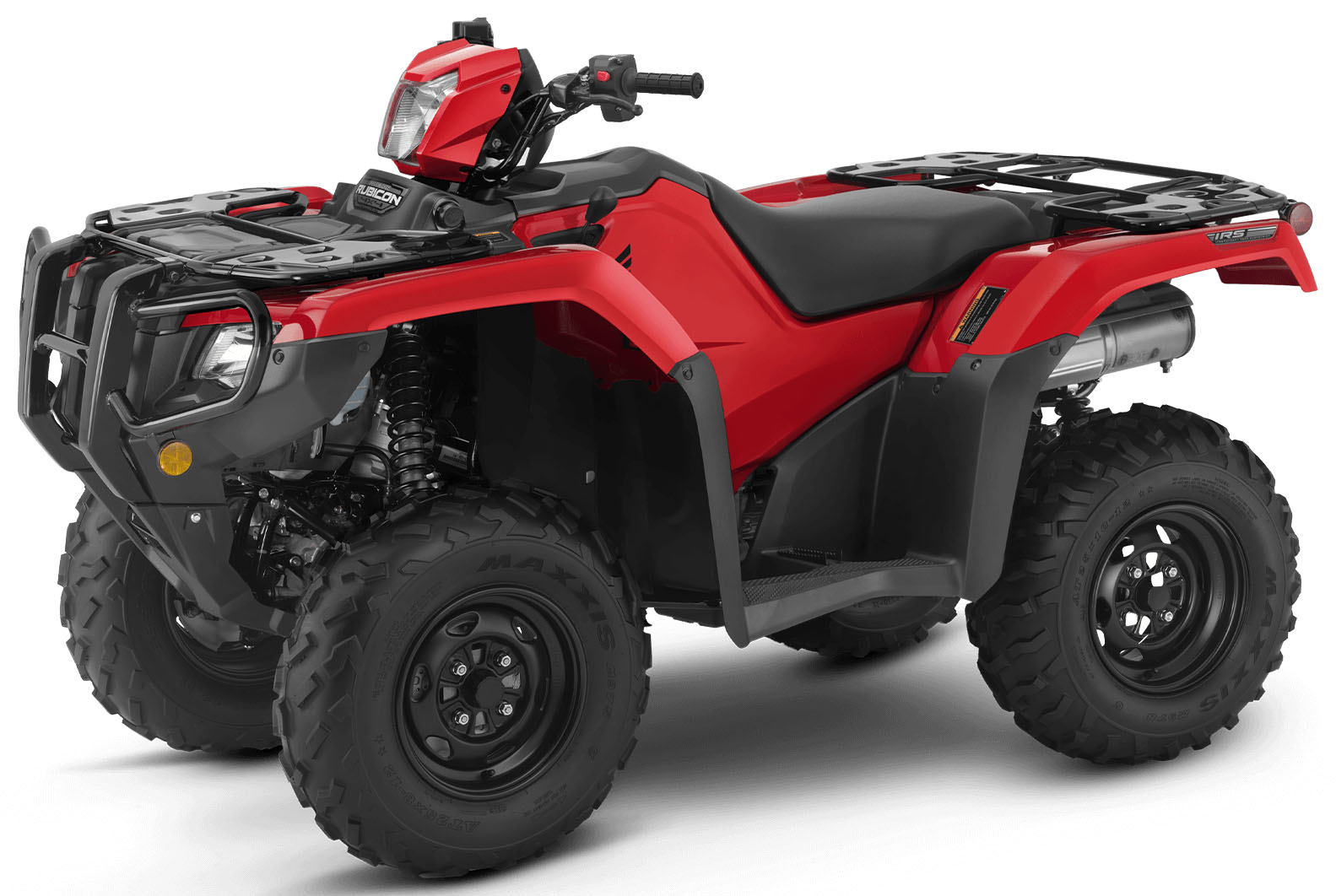
The 2027 Yamaha Grizzly EPS is one of the rare utility ATVs that still feels built around the rider rather than a trim hierarchy. It is a single-seat 686cc machine with real electronic power steering, selectable 2WD/4WD/locked 4WD, Yamaha’s Ultramatic CVT, and a compact 48.4-inch width. The price is $10,599 plus a $700 destination charge. That is a meaningful spend for a one-rider ATV, but the Grizzly earns its place by being uncomplicated in the ways that matter.
It is not a replacement for a two-up touring ATV or a large-displacement towing specialist. It is a durable, trail-capable work-and-recreation machine for a rider who values control, engine braking, predictable steering, and a manageable size. If the numbers on different ATVs are beginning to blur together, start with how to read ATV and UTV specifications: width, drive system, actual rated capacity, and vehicle weight often say more than a model name.
Engine: enough displacement, no invented factory horsepower claim
The Grizzly EPS uses a 686cc liquid-cooled SOHC four-stroke single with Yamaha Fuel Injection through a 44mm throttle body. Yamaha does not publish a horsepower number on its 2027 model or specifications pages. That omission is worth respecting. The 44-hp figure shown in the ATVPedia card is an estimate for comparison only, not a Yamaha factory claim.
In practice, the engine’s character matters more here than a single output number. A large single delivers useful low- and midrange response, which suits tight trails, climbing, and carrying gear better than chasing a top-speed headline. Yamaha pairs it with Ultramatic, a belt CVT offering high, low, neutral, reverse, and park. Its all-wheel engine braking is one of the Grizzly’s real advantages: it helps the ATV settle on a descent rather than making the brakes do all the work.
On-Command 4WD and EPS: practical control, not just features
Yamaha’s On-Command system gives the rider three choices: 2WD, limited-slip 4WD, and locked 4WD. That is a clear, useful progression. Use 2WD when traction is good and steering feel matters; select 4WD as conditions get loose; reserve the locked differential for terrain that actually needs it. A locked front end can get a rider through a difficult patch, but it also asks more of steering effort and line choice.
EPS makes that last part less tiring. Yamaha calls the system speed- and torque-sensitive, and that is exactly why it belongs on this type of ATV. Slow, technical riding and a loaded front rack are where assistance pays off; at speed, the steering should not feel detached. The Grizzly has a reputation built on this composed, usable behavior rather than on novelty electronics.
Chassis: compact enough for real trails
The Grizzly’s 48.4-inch width, 49.2-inch wheelbase, and 701-lb wet weight give it a purposeful middle ground. It is not a narrow 40-something-inch farm ATV, but it stays far more manageable than the wide touring machines that dominate open roads. The stated 11.3 inches of ground clearance and 26-inch Maxxis tires are useful numbers for ruts, rocks, and snow without making the chassis feel excessively tall.
Independent double-wishbone suspension is used front and rear. Yamaha lists 7.6 inches of front travel and 9.1 inches at the rear, with five-way preload adjustment at both ends and an anti-sway bar at the rear. That is not long-travel sport-ATV hardware. It is a straightforward setup that should carry a rider comfortably over uneven ground and give them room to tune sag for their normal load.
The full-body skid plates are another more meaningful detail than a decorative bumper. At 701 lb wet, the Grizzly is light enough to maneuver but heavy enough that protecting the underside is not optional when the route turns rocky.
Be clear about ratings and California availability
Yamaha’s current 2027 U.S. technical specification page is unusually concise. It publishes the core drivetrain, chassis, dimensions, fluids, weight, and warranty, but does not state cargo-rack or towing ratings. That is why this review does not turn an older number, a dealer listing, or a forum post into a current factory claim. Confirm applicable carrying and towing guidance in the owner’s manual and with a Yamaha dealer before planning a work load.
There is another direct limitation: Yamaha marks this model as not available in California. That has a practical consequence for shoppers, even if the ATV is otherwise exactly what they want. Verify local availability and any state-specific requirements before spending time on a build or accessory list.
2027 Yamaha Grizzly EPS specifications
| Specification |
2027 Yamaha Grizzly EPS |
| Engine |
686cc liquid-cooled SOHC four-stroke single |
| Fuel delivery |
Yamaha Fuel Injection, 44mm |
| Factory-rated output |
Yamaha does not publish a figure |
| Transmission |
Ultramatic V-belt CVT with all-wheel engine braking; H/L/N/R/P |
| Drive system |
On-Command: 2WD, limited-slip 4WD, locked 4WD; shaft final drive |
| Steering |
Speed- and torque-sensitive EPS |
| Wet weight |
701 lb |
| Width / length / height |
48.4 / 81.5 / 49.3 in |
| Wheelbase / clearance |
49.2 / 11.3 in |
| Fuel capacity |
4.8 gal |
| Tires |
Maxxis 26 x 8-12 front; 26 x 10-12 rear |
| Suspension |
Double wishbone; 7.6 in front / 9.1 in rear travel; five-way preload |
| Brakes |
Dual hydraulic discs front and rear |
| Warranty |
Six-month limited factory warranty; 10-year V-belt limited warranty |
| Base MSRP / destination |
$10,599 / $700 |
How it compares
The 2027 Can-Am Outlander 700 is a lower-priced current 4WD alternative with a factory-rated 50 hp engine and a different traction system. The Grizzly makes its case with EPS, all-wheel engine braking, compact dimensions, and Yamaha’s long-running Ultramatic platform. Compare them →
The 2025 Yamaha Grizzly 700 EPS is worth reviewing if a leftover or used machine comes up. Compare the actual model year and condition, but do not assume every third-party specification is still published by Yamaha for 2027. Compare model years →
The 2025 Kawasaki Brute Force 750 4x4i EPS offers a V-twin alternative for riders who prioritize different engine character. The Grizzly remains the more compact, single-cylinder answer for riders who value a simple, trail-focused package. Compare them →
The 2027 Yamaha Raptor 700R shares the 686cc displacement number but serves an entirely different purpose. The Raptor is a manual, rear-drive sport quad; the Grizzly is a 4WD utility ATV with EPS and an automatic CVT. Compare Yamaha’s sport and utility singles →
Verdict
The 2027 Yamaha Grizzly EPS is a strong choice for a rider who wants one capable ATV rather than a giant touring machine or a stripped work tool. The package is direct: 686cc fuel-injected single, genuine EPS, three-mode On-Command driveline, all-wheel engine braking, independent suspension, and sensible dimensions.
The compromises are equally direct. It is one-up only, it carries a substantial $700 destination charge on top of MSRP, Yamaha does not publish current power or load ratings on the model’s U.S. spec page, and it is not available in California. For riders with access to the model and realistic load needs, though, the Grizzly EPS is still one of the cleanest answers to the question, “What utility ATV will I actually enjoy riding?”