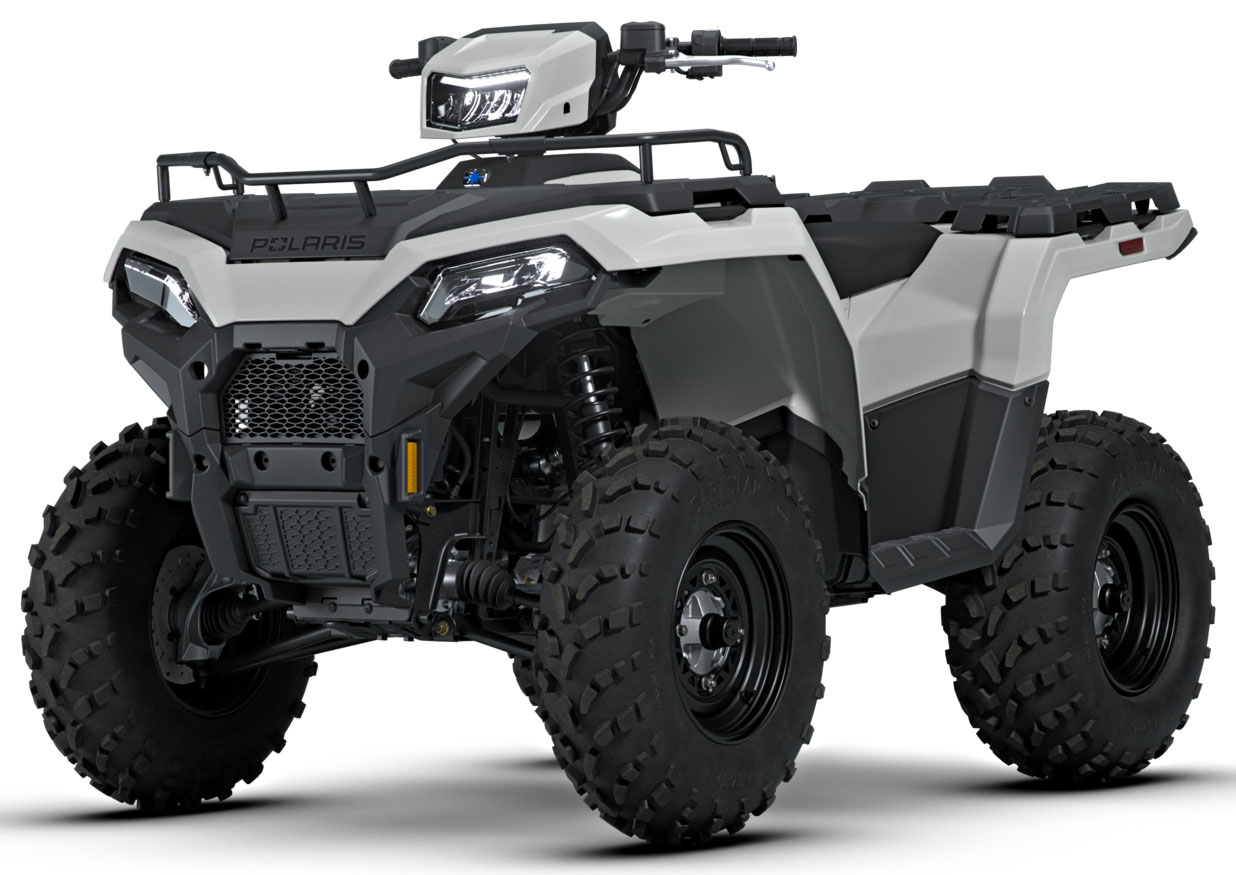
The 2027 Polaris Sportsman 600 is deliberately less dramatic than its new badge suggests. It is the familiar 567cc Sportsman 570 under a different name, still making 44 hp and still using the same 48-inch-wide utility-ATV formula. Polaris says the rename is meant to make the range easier to understand, not to signal a new engine or a major performance change.
That honesty is useful for buyers. At $7,999 before a $700 destination charge, the base Sportsman 600 sits $1,000 above the new Sportsman 500. It brings 11 more horsepower and sheds 70 lb on Polaris’s listed dry-weight figures. But it does not bring power steering, engine braking, Active Descent Control or a factory winch on this exact Ghost Gray trim. This is a proven, capable mid-size ATV for someone who wants more punch than the value model—not a disguised premium model.
What is actually new for 2027
Start with the name. Polaris has retired the Sportsman 570 label for this part of the range and calls the same 567cc platform Sportsman 600. The company explicitly says there are no significant engine or performance changes behind the rename. That is worth spelling out because “600” naturally sounds like a displacement increase. The engine remains a 567cc liquid-cooled ProStar SOHC single, rated at 44 hp.
There are small, useful base-trim updates. The 2027 machine gets an LED pod and LED bumper headlights, plus fresh graphics. Better lighting is meaningful for early chores and late returns from the woods, even if it does not transform the ATV. The rest of the package remains recognizable: one-touch on-demand AWD/2WD, independent rear suspension, 25-inch tires on steel wheels, sealed front storage and a 1.25-inch receiver.
If a dealer has a leftover 2025 Sportsman 570, do not assume the newer number alone justifies a big price premium. Compare its actual trim equipment, warranty, destination and out-the-door price. For most buyers, those details matter more than the decal.
The 44 hp ProStar single gives the Sportsman 600 a noticeably stronger working margin than Polaris’s 33 hp Sportsman 500. The automatic PVT transmission has park, reverse, neutral, low and high ranges, and EFI should keep starts and throttle response predictable across ordinary temperature and altitude changes. It is the right sort of engine for a rider who alternates between a utility trailer, access roads and unhurried trail miles.
The limitation is not hidden in the brochure. Base-spec equipment lists no engine-braking system and no Active Descent Control. On steep or slippery descents, the rider will be managing speed primarily with the brakes rather than relying on drivetrain braking. That does not disqualify the machine for hilly ground, but it should guide the shopping decision. Riders who regularly descend long, loose hills should price the higher trims that add those systems rather than assuming every Sportsman 600 includes them.
At 703 lb dry, the base 600 is substantially lighter than the 773 lb Sportsman 500 shown in ATVPedia’s current data. That makes the extra 11 hp more valuable than the raw figures first suggest. It should feel more willing under a load and less reluctant when the ground gets soft. It is still a utility ATV, though, not a light sport quad; smooth throttle control and sensible tire pressure will matter more to trail comfort than chasing a top-speed number.
Chassis and steering: compact enough for real trails
The 48-inch width is one of the Sportsman 600’s strongest practical advantages. It fits common 50-inch trail systems while leaving a little breathing room around the tires. Its 50.5-inch wheelbase, 83-inch overall length and 33.25-inch seat height are conventional single-seat ATV dimensions, so it should be easy to place on a narrow wooded trail or beside a shed.
Polaris uses sealed MacPherson struts in front with 8.2 inches of travel and sealed dual A-arms at the rear with 9.5 inches. Ground clearance is 11.5 inches. Those numbers are suitable for washouts, ruts and field edges, and the independent rear suspension is a meaningful comfort and traction advantage over a simpler solid-axle work ATV.
The base model’s absence of EPS should not be glossed over. It keeps the price and complexity down, but bar effort rises when the front tires catch rocks, when the machine is loaded on the front rack or when a long day includes slow technical steering. On open property or flowing trails, that trade is easy to live with. In rocks, mud or tight trees, test-riding an EPS trim is sensible before buying.
Work equipment: good capacity, no included winch
The Sportsman 600 has the capacities most owners expect from a mid-size utility ATV: 1,350 lb of towing, a 485 lb payload limit and 270 lb across its racks—90 lb at the front and 180 lb at the rear. A 4.5-gallon tank, 1.25-inch receiver and five-gallon sealed front compartment make it a realistic partner for fence repairs, hauling feed, a sprayer or hunting gear.
There is one important line item to check: this base model has a winch mount, but Polaris lists no factory-installed winch. That separates it from the Sportsman 500, which includes a 2,500 lb winch as standard in ATVPedia’s 2027 listing. If self-recovery, plowing or pulling logs is part of the plan, add the cost of a winch, mounting hardware and installation before deciding that the 600’s sticker price is the better deal.
The steel 12-inch wheels and 25-inch tires are similarly workmanlike. They are not a glamour specification, but they are easy to replace and appropriate for a base ATV. Owners who intend to run deep mud, sharp rock or heavy plow duty should choose upgrades based on their terrain instead of fitting oversized tires that blunt steering and low-range responsiveness.
2027 Polaris Sportsman 600 base specifications
| Specification |
Sportsman 600 base, Ghost Gray |
| Engine |
567cc liquid-cooled ProStar SOHC single-cylinder four-stroke |
| Output |
44 hp |
| Fuel system |
Electronic fuel injection |
| Transmission |
Automatic PVT; park, reverse, neutral, low and high |
| Drive system |
One-touch on-demand AWD / 2WD |
| Engine braking / ADC |
Not equipped |
| Power steering |
Not equipped |
| Front suspension |
Sealed MacPherson strut; 8.2 in travel |
| Rear suspension |
Sealed dual A-arm IRS; 9.5 in travel |
| Tires |
25 x 8-12 front; 25 x 10-12 rear |
| Wheels |
12-inch steel |
| Brakes |
Single-lever three-wheel hydraulic disc; hydraulic rear foot brake |
| Length x width x height |
83 x 48 x 47 in |
| Wheelbase |
50.5 in |
| Seat height |
33.25 in |
| Ground clearance |
11.5 in |
| Dry / curb weight |
703 / 743 lb |
| Fuel capacity |
4.5 gal |
| Towing capacity |
1,350 lb |
| Payload capacity |
485 lb |
| Rack capacity |
90 lb front / 180 lb rear |
| Storage |
5-gallon sealed front compartment |
| Lighting |
LED pod and bumper headlights; LED brake light and taillight |
| Winch |
Mounting provision; winch not equipped |
| Base MSRP |
$7,999 plus $700 destination |
Sportsman 600 versus the most relevant alternatives
The new Sportsman 500 is the first machine to cross-shop. It starts $1,000 lower, carries the same towing, payload, clearance and rack ratings, and includes a 2,500 lb winch. The 600 counters with 44 hp instead of 33 and a 70 lb dry-weight advantage. Choose the 500 when included recovery gear and a lower initial price matter most; choose the 600 when extra power and the lighter chassis will be used regularly. Compare the two 2027 Sportsman models.
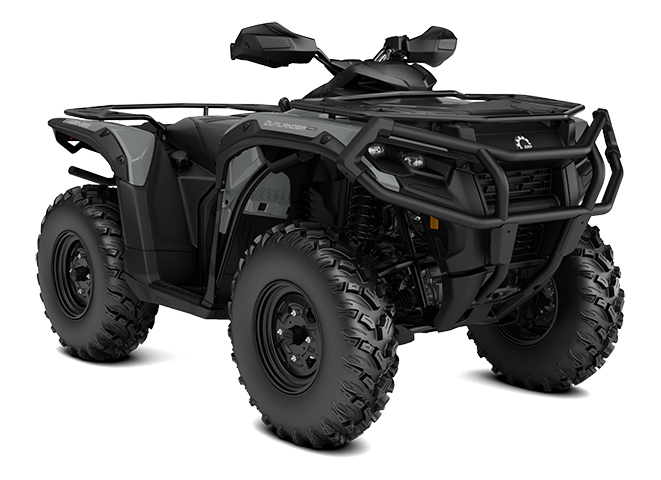
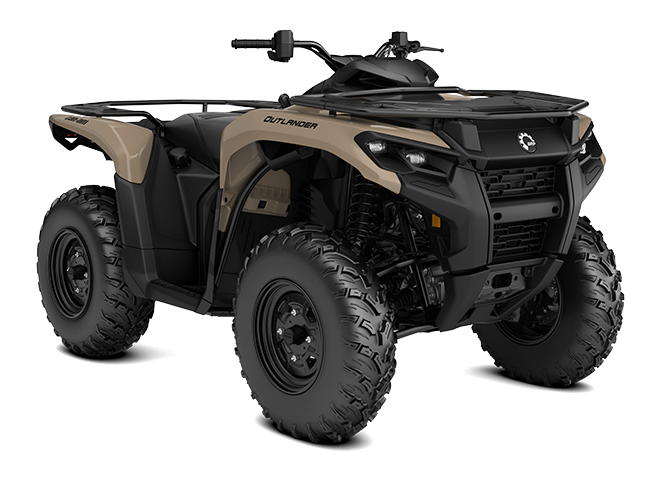
The Can-Am Outlander 500 is another compelling alternative. It makes roughly 40 hp in ATVPedia’s data, costs $7,199 and comes with power steering, while weighing much less than the Sportsman 600. The Polaris has four more rated horsepower, 1.5 inches more clearance and a 1,350 lb tow rating. The Can-Am has the better case for riders who value easy steering and low weight; the Polaris is stronger for an owner who values clearance and towing. See the full Sportsman versus Outlander comparison.
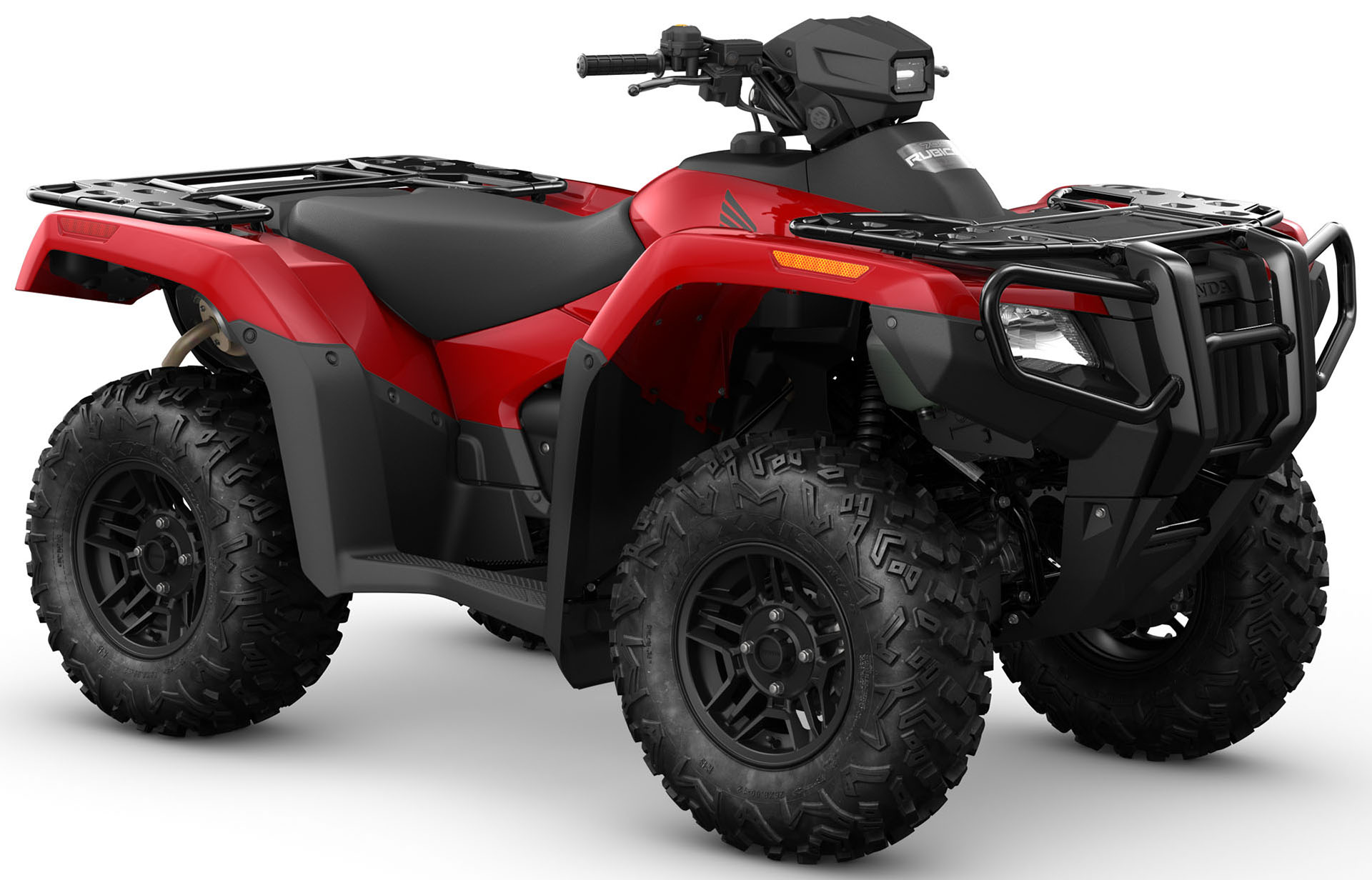
The Kawasaki Brute Force 450 4x4 is a simpler, narrower alternative at a similar entry price. It is easier to fit through restricted trails and lighter on paper, but the Polaris provides independent rear suspension, much more ground clearance and 300 lb more tow capacity. Compare the Brute Force 450 and Sportsman 600.
Finally, the previous Sportsman 570 is not really an alternative so much as the machine this one replaces. Their shared 567cc/44 hp figures make the comparison most useful for sorting old inventory. See the 570 and 600 side by side.
Price and ownership perspective
The $7,999 MSRP becomes $8,699 once Polaris’s $700 destination charge is included, before tax, registration, setup or accessories. That is the number to keep in mind when comparing the $6,999 Sportsman 500. If you need a winch, EPS, engine braking or ADC, do not treat their absence as a minor detail: accessories and trim upgrades can quickly remove the apparent gap.
For straightforward property use, the base Sportsman 600 holds together well. It has more power than the entry Sportsman, the same usable capacity numbers and a chassis that remains trail legal in many 50-inch systems. For frequent technical riding, choose equipment first and the badge second. An EPS or engine-braking-equipped trim may be worth more to day-to-day satisfaction than the money saved on the base ATV.
Who should buy it
Buy the 2027 Sportsman 600 if you want a compact, proven mid-size ATV with enough power for chores and normal recreational riding, and you do not need the extra equipment of a premium trim. It is particularly sensible for a buyer who has owned a Sportsman 570 and wants the same familiar formula with improved base lighting.
Look elsewhere if standard EPS, a winch or controlled engine braking is a requirement. The Sportsman 500 may offer a better all-in value for work-first buyers because its winch is already included. The Outlander 500 is worth a close look for riders who prioritize low weight and steering assistance.
Verdict
The 2027 Polaris Sportsman 600 succeeds because it does not pretend to be something it is not. It is the durable 44 hp Sportsman 570 formula under a clearer name, with welcome LED lighting and the capabilities that make a middleweight ATV genuinely useful: 48-inch width, independent rear suspension, 11.5 inches of clearance and a 1,350 lb tow rating.
Its base-trim omissions are equally real. No EPS, no engine braking, no ADC and no installed winch means the buyer must be precise about their needs. If those features are not essential, the 600 is a well-balanced, no-nonsense utility ATV. Browse more Polaris models, visit the 2027 model-year hub, explore utility ATVs, or add the Sportsman 600 to the comparison tool.