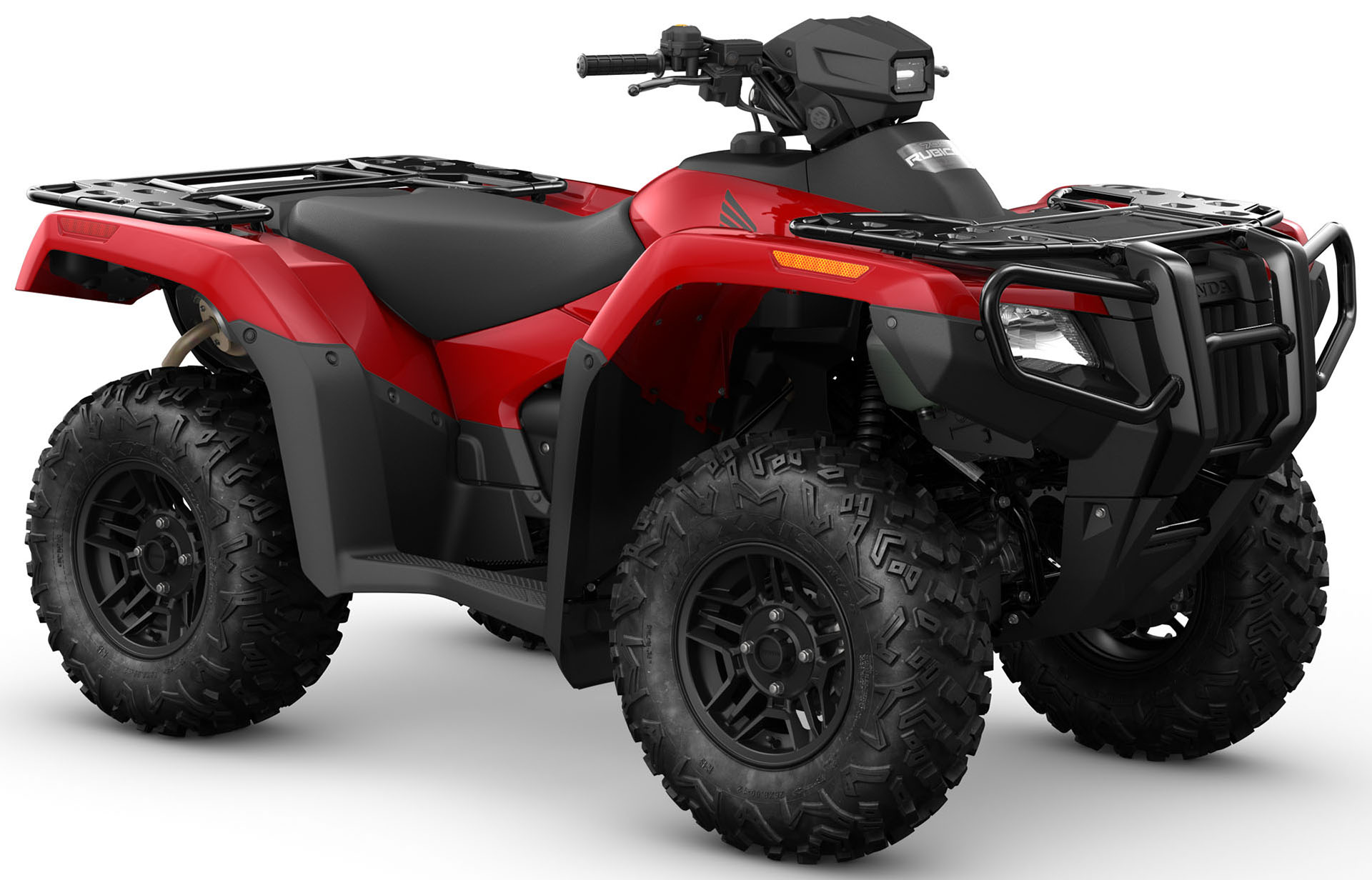
The Yamaha Kodiak 700 EPS is the sensible sibling in Yamaha’s big-bore ATV family. It shares the durable 686cc engine and the excellent Ultramatic transmission of the pricier Grizzly, then trims the sporty styling and a few premium touches to land at a friendlier price. What you keep is the important stuff: Yamaha reliability, standard power steering and a quad that simply works. Here is what the Kodiak does well, where it holds back, and who should buy it. (New to spec sheets? Our guide on how to read ATV & UTV specs covers which numbers matter.)
Engine and the Ultramatic: dependable value
The Kodiak 700 EPS runs Yamaha’s 686cc single-cylinder engine, making about 47 horsepower. That is solid, usable big-bore power, torquey enough to plow, tow and climb without complaint, even if a couple of rivals edge it on the peak number. The engine’s real strength is how it delivers that power through Yamaha’s Ultramatic transmission, a fully automatic CVT with a reputation for the best belt durability in the business. It gives smooth, twist-and-go operation and strong all-wheel engine braking on descents, and it tends to run for years without belt worries. If you want a big quad you can trust to start and work every day, this drivetrain is the reason to look at the Kodiak.
The Kodiak or the Grizzly?
The most useful comparison for a Kodiak shopper is the Yamaha parked right next to it. The Grizzly 700 EPS ($10,499) shares the Kodiak’s engine, Ultramatic transmission and On-Command 4WD, so mechanically they are close cousins. What the Grizzly adds for its roughly $800 premium is sportier styling, a bit more suspension travel and a more aggressive, trail-focused character, along with some premium finish.
The Kodiak’s pitch is simple: most of the same capability for less money. If you want the most comfortable, planted work quad and you are not chasing the Grizzly’s sportier ride, the Kodiak is the smarter spend. If you ride aggressive trails and want the extra travel and flair, the Grizzly earns its premium. Either way you get the same dependable heart.
Drivetrain and ride: On-Command, standard EPS and comfort
Power goes down through Yamaha’s On-Command system, a push-button dial for 2WD, limited-slip 4WD or a fully locked front differential. It is simple and effective, and it lets you match traction to the terrain without fuss. Electronic power steering is standard on this EPS model, and on a big utility quad that assistance is worth a lot at low speed, on side-hills and near the end of a long day.
The Kodiak rides with the planted, reassuring feel Yamaha’s utility machines are known for. Ground clearance of 11.4 inches clears typical obstacles, and at 46.5 inches wide it slips onto trails that lock out bigger machines. It is not the sportiest quad in its class, and it is not trying to be. It is comfortable, stable and easy to ride all day, which is exactly what most utility buyers want.
Work capability: towing and chores
For property work the Kodiak is well equipped. It tows 1,322 lb, enough for a small utility trailer or a loaded yard cart, and its racks accept the usual boxes, tool mounts and hunting accessories. Pair that with the torquey single, On-Command 4WD and Ultramatic engine braking for loaded descents, and you have a genuine workhorse for farm and hunting-property duty. It is a single-rider machine, though, so the moment you need to bring a passenger you are looking at a side-by-side like Yamaha’s own Viking EPS instead.
Who it’s for
The Kodiak 700 EPS is the right pick if you want Yamaha’s big-bore reliability and standard power steering without paying the Grizzly premium. It suits property owners, hunters and weekend riders who value a dependable, comfortable, do-everything quad over the sportiest ride or the highest horsepower figure. Its smooth Ultramatic and predictable manners also make it approachable for a newer rider stepping up to a full-size machine, though it is still a real 47 hp quad that deserves respect. (If that is you, our best beginner ATVs guide is worth a read first.)
It is not the pick if you want maximum power for the money, since a few rivals make more, or if you want a sport-focused ride, where the Grizzly or a dedicated sport quad fits better. And like any utility ATV, it carries one rider only.
How it compares
At $9,699 the Kodiak sits in the competitive heart of the big-bore utility class. Three rivals to weigh:
- Polaris Sportsman 570, $7,499. Cheaper and the best-selling utility quad in North America, but it makes less power (44 hp) and its base trim skips the EPS the Kodiak includes. The value-versus-features call. Compare them →
- Suzuki KingQuad 750AXi, $9,749. Almost the same price, with similar power (48 hp), standard steering and a reputation for class-leading low-end torque. The closest head-to-head rival. Compare them →
- Yamaha Grizzly 700 EPS, $10,499. The sportier sibling, with more travel and flair for about $800 more, on the same mechanical base. Compare them →
Also worth a look: the Honda FourTrax Foreman 520 ($7,499) trades power for Honda’s legendary durability, the Can-Am Outlander 700 ($8,999) undercuts the Kodiak while making more power, and the Arctic Cat Alterra 700 EPS ($9,699) matches its price with a stronger 52 hp engine.
Where it sits in the Yamaha lineup
Yamaha’s utility ATV ladder is easy to follow. Below the 700, the Kodiak 450 EPS ($7,699) is the lighter, more compact and beginner-friendly option with the same Ultramatic and On-Command features in a smaller package. Above it, the Grizzly 700 EPS ($10,499) is the sportier, more trail-focused big-bore. The Kodiak 700 sits in the sweet spot between them, delivering full-size capability at a value price.
Price and value: is it worth it?
At $9,699 the Kodiak 700 EPS is priced right where a value-minded big-bore buyer wants it. It costs more than a base Sportsman 570 or Foreman 520, but it answers with standard EPS, the Ultramatic’s belt longevity and Yamaha’s reliability and resale. Against its natural sibling, it undercuts the Grizzly by about $800 while keeping the same engine and drivetrain.
So is it worth it? For the buyer who wants a dependable, comfortable big-bore quad and does not need the sportiest ride, yes. It is one of the smartest value picks in the class, offering near-Grizzly capability and Yamaha durability for less. If you want the most power per dollar or a sport-tuned chassis, look elsewhere, but for straightforward, long-lasting utility work the Kodiak is very easy to recommend.
Pros and cons
The good: Yamaha’s durable Ultramatic transmission with strong engine braking, standard electronic power steering, effective On-Command 4WD, a comfortable and planted ride, and a value price that undercuts the mechanically similar Grizzly.
The catch: only mid-pack power at 47 hp, a ride that trades sportiness for comfort, a fairly small fuel tank, and single-rider seating like every utility quad.
The verdict
The 2025 Yamaha Kodiak 700 EPS is the value pick of Yamaha’s big-bore ATVs, and a genuinely smart buy. It gives you the same reliable engine, Ultramatic transmission and On-Command 4WD as the pricier Grizzly, with standard power steering, and asks less money for the privilege of skipping the sporty styling. If your priority is a dependable, comfortable quad that will work for years rather than the flashiest or most powerful one on the lot, the Kodiak delivers. Decide whether you want the Grizzly’s extra travel and flair before you sign, and if you do not, the Kodiak is the one to buy.
Want to see it head to head with something specific? Drop it into the side-by-side comparison tool, or browse the full database to filter by power, weight and price.