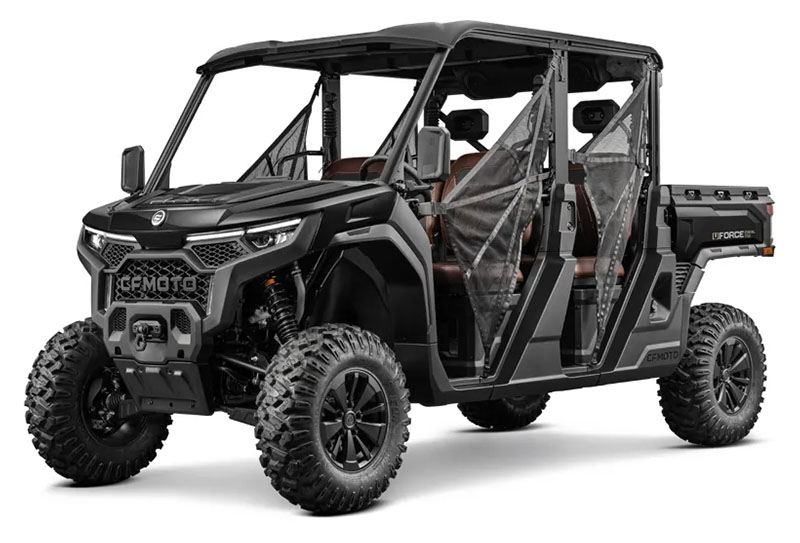
The 2026 CFMOTO UForce U10 XL Pro is the six-seat crew machine for buyers who need another row, not another climate zone. It stretches the three-seat U10 Pro into a 148-inch-long platform with two bench seats, while keeping the open sides, hard roof and side nets that suit warm-weather work. The price is $19,499—$2,000 above the short-wheelbase Pro and $8,000 below the fully enclosed XL Pro Highland.
Underneath the longer cabin, the useful numbers remain familiar: an 88 hp inline-three, 1,000 lb power-tilt bed, 2,500 lb towing capacity, 13 inches of clearance and a standard 4,500 lb winch. The second row therefore does not require buyers to accept a smaller bed or a lower tow rating.
The compromise is size. The 112.5-inch wheelbase is 31.4 inches longer than the three-seat U10 Pro’s, and dry weight rises by 319 lb to 2,061 lb. Its 17.7-foot turning radius asks for more planning around barns, trees and trailer ramps. This is a credible people-and-cargo tool, but nobody will mistake it for the nimble member of the family.
Six real seats without the Highland cab
Two vinyl bench seats provide space for three people per row. Each position gets a headrest, and the rear passengers sit in a dedicated crew compartment rather than on a temporary cargo-bed conversion. For farms, large properties, hunting groups and families, that distinction is the reason to choose the XL.
Six seating positions do not guarantee six adults will be comfortable. Shoulder room, foot placement and access to the rear row depend on body size and clothing. Bring the people who will actually ride, wear work boots or winter gear, and close the side restraints during the showroom fit test. A bench that feels generous with two can become close quarters with three.
The open-cab specification is equally important. A hard roof and side mirrors are standard, while side nets provide the lateral restraints shown in CFMOTO’s U.S. brochure. This model does not include the Highland’s full locking doors, power windows, glass windshield, wiper, sliding rear glass, heat or air conditioning.
That simplicity has advantages. Air moves freely through the cabin, mud and dust are easier to wash out, and there is less cab hardware to carry on every trip. The open XL is 313 lb lighter than the Highland. It is the sensible configuration when the machine works mainly in mild weather or the crew would leave an enclosed cab open anyway.
The disadvantage is obvious in rain, snow, cold and dust. A roof stops overhead sun and some precipitation; it does not seal the cabin. Buyers planning to add doors and a windshield later should price the complete accessory plan before assuming the open model will remain the cheaper route.
What the XL chassis changes
The U10 XL Pro measures 148 inches long, 64 inches wide and 77 inches high. Its wheelbase is 112.5 inches, compared with 81.1 inches for the three-seat U10 Pro. Ground clearance stays at 13 inches.
The extra 31.4 inches between the axles creates rear-seat space and can calm fore-and-aft pitching over broad undulations. It also changes breakover geometry. A longer center section can contact the crest of a sharp rise even when the published clearance under the machine has not changed. Drivers should approach abrupt berms, trailer transitions and drainage ditches with the wheelbase in mind.
Turning radius grows from 13.9 feet on the standard Pro to 17.7 feet on the XL. That difference is larger than it sounds when a gate, fence and building define the available space. A crew owner may need a three-point turn where the short machine pivots in one movement.
The 64-inch width places the U10 in the full-size class. It is too wide for trail systems limited to 50 or 60 inches, and the long wheelbase makes tight switchbacks another concern. Owners should verify route rules and measure the finished vehicle if access depends on a hard limit; tires, pressure and wheel changes can alter real width.
CFMOTO lists the open XL at 2,061 lb dry. Fuel, passengers, cargo and accessories push the operating mass higher. Trailer and ramp decisions should use the loaded machine, not the brochure figure. A six-person cabin can add several hundred pounds before a tool reaches the bed.
The 998cc triple does not change for crew duty
The liquid-cooled 998cc engine is a double-overhead-cam inline-three with 12 valves and Bosch electronic fuel injection. CFMOTO rates it at 88 hp at 7,250 rpm and 69 lb-ft at 6,500 rpm. Output is identical across the U10 Pro and U10 XL Pro range.
An inline-three is an appealing utility compromise. It can deliver smoother power pulses than a large single without becoming as broad or complex as an automotive four-cylinder. Eighty-eight horsepower gives the XL useful reserve for a loaded bed, a full cabin or a trailer, though the added chassis and passenger mass mean it will never feel as lively as the three-seat Pro carrying the same load.
WORK and NORMAL modes alter throttle response. WORK should make the initial pedal easier to meter while backing to a trailer, moving a load or crossing rough ground. NORMAL provides the everyday response. The modes do not change the engine’s 88 hp maximum; they change how the pedal requests it.
The distinction is valuable with rear passengers. A smooth launch reduces head toss and helps keep unsecured cargo from moving. The driver still controls the result. Selecting the softer map cannot compensate for abrupt pedal inputs or excessive speed over uneven ground.
An 11.8-gallon fuel tank is standard. That is generous for a utility UTV, but tank size is not a range promise. Six occupants, low-range work, mud, elevation, temperature and trailer load can change consumption substantially. Owners planning remote days should establish range from their own use and retain a conservative reserve.
OmniDrive CVT and selectable differentials
The OmniDrive automatic CVT provides park, reverse, neutral, high and low. The driver can select 2WD, 4WD or locked 4WD, and the U10 platform also includes a locking rear differential.
That gives the operator useful control over traction and turf impact. An unlocked rear differential helps the vehicle turn on firm surfaces with less tire scrub. Locking it improves traction when both rear wheels need to pull together. Four-wheel drive and the front lock add steps for progressively worse surfaces.
Diff locks should be disengaged once the obstacle is behind the vehicle. Locked axles increase steering effort, enlarge the turning path and can damage sensitive ground. Electronic power steering makes the wheel easier to manage but does not remove those mechanical effects.
Low range matters whenever the machine must move slowly under substantial load. Pulling a trailer, crawling a steep grade or working through deep material in high range can ask the belt to slip and build heat. Selecting low early gives the CVT more favorable leverage.
Hill-descent control adds another tool on grades. It cannot create tire grip or erase the momentum of a 2,000 lb vehicle carrying six people. The driver still needs the correct range, conservative speed and deliberate brake inputs, especially when a trailer is pushing from behind.
Suspension is built around capacity
High-clearance independent A-arms are used at the front, with independent double A-arms at the rear. CFMOTO publishes 11 inches of front travel and 10.4 inches at the rear. Front and rear sway bars help control body roll, while oil-damped shocks allow spring-preload adjustment.
The travel is useful for a crew utility chassis, but the dampers are straightforward. They do not offer the external compression and rebound controls found on performance-focused machines. Preload lets an owner restore ride height as normal load changes; it does not add suspension travel or make the dampers more sophisticated.
Six people and bed cargo can consume available travel quickly. Set preload consistently from side to side, record the original position and test the vehicle with the typical crew aboard. Maximum preload is not permission to exceed payload or axle limits.
The U10 rides on 29 x 9-14 front and 29 x 11-14 rear CST all-terrain tires fitted to 14-inch cast aluminum wheels. The 29-inch diameter supports the 13-inch clearance and gives the long chassis a useful approach to ruts and rocks.
Larger aftermarket tires have costs: more rotating mass, taller effective gearing, greater steering load and possible contact at full compression or steering lock. Extra wheel offset can also widen the machine and increase bearing leverage. A crew UTV already carries substantial mass, so tire changes should solve a specific problem rather than simply chase appearance.
A 1,000 lb bed and 2,500 lb tow rating
The cargo bed is rated for 1,000 lb and uses an electrically operated hydraulic tilt mechanism. Integral tie-down points help secure loads. Power tilt is more than a convenience when the bed is genuinely heavy, but the load still needs to be distributed evenly and kept within the manufacturer’s center-of-gravity guidance.
CFMOTO publishes a 2,500 lb towing capacity through the receiver hitch. That is a competitive full-size rating and remains unchanged from the shorter Pro. It is not a guarantee that every 2,500 lb trailer is safe on every hill. Trailer brakes, tongue weight, surface, gradient, cooling, total vehicle load and local rules all matter.
Passenger and cargo planning should happen together. Six adults, tools in the bed and tongue weight at the hitch affect acceleration, suspension position, steering and braking simultaneously. The largest individual rating is not necessarily the safe combined operating condition.
The standard 4,500 lb winch uses synthetic rope. It is appropriately sized for a heavy crew UTV and useful for recovery, plow work and moving obstacles. Recovery gear, anchors and vehicle points must be rated for the loads involved. Keep bystanders clear and account for how a redirect changes forces.
The technology is unusually complete
An eight-inch CFMOTO RideSync MMI touchscreen is standard, with Apple CarPlay, vehicle diagnostics and RideSync app compatibility. The cabin also includes an MB Quart premium audio system, USB and 12-volt power and an NFC key.
The screen and audio are not essential to moving hay or tools, but they reduce the accessory work required to make a crew machine comfortable for long days. Navigation and phone integration are particularly useful when the UTV moves between a large property and public roads or trails where legal.
Interface quality needs an in-person check. Try the display with gloves, confirm that important vehicle information remains legible in direct sun and understand which functions require a phone or data connection. A large screen is useful only if the common controls are quick to reach.
RideVision LED headlights, taillights and backup lights are standard. Mirrors, roof and electronic power steering also arrive from the factory. This is why the $19,499 MSRP should be compared against similarly equipped rivals rather than bare entry trims.
2026 CFMOTO UForce U10 XL Pro specifications
| Specification |
UForce U10 XL Pro |
| Engine |
998cc liquid-cooled DOHC 12-valve inline-three |
| Output |
88 hp at 7,250 rpm; 69 lb-ft at 6,500 rpm |
| Fuel system |
Bosch electronic fuel injection |
| Drive modes |
WORK and NORMAL |
| Transmission |
OmniDrive automatic CVT; P/R/N/H/L |
| Drive system |
2WD / 4WD / locked 4WD; locking rear differential |
| Steering |
Variable-assist electronic power steering |
| Front suspension |
High-clearance independent A-arms; 11 in travel |
| Rear suspension |
Independent double A-arms; 10.4 in travel |
| Shocks |
Oil-damped; spring-preload adjustable |
| Brakes |
Four-wheel hydraulic discs; electronic parking brake |
| Tires |
29 x 9-14 front; 29 x 11-14 rear |
| Wheels |
14-inch cast aluminum |
| Length x width x height |
148 x 64 x 77 in |
| Wheelbase |
112.5 in |
| Turning radius |
17.7 ft |
| Ground clearance |
13 in |
| Dry weight |
2,061 lb |
| Fuel capacity |
11.8 gal |
| Seating |
Six; two three-person benches |
| Cargo-bed capacity |
1,000 lb; electronic/hydraulic tilt |
| Towing capacity |
2,500 lb |
| Winch |
4,500 lb with synthetic rope |
| Display |
8-inch RideSync MMI touchscreen with Apple CarPlay |
| Base MSRP |
$19,499 |
U10 XL Pro versus U10 Pro
The three-seat 2026 UForce U10 Pro costs $17,499. It has the same 88 hp engine, 64-inch width, 13-inch clearance, 11.8-gallon tank, suspension travel, 1,000 lb bed, 2,500 lb tow rating, winch and technology package.
The $2,000 step to the XL buys the rear bench and the structure surrounding it. Length grows from 117 to 148 inches, wheelbase from 81.1 to 112.5 inches, dry weight from 1,742 to 2,061 lb and turning radius from 13.9 to 17.7 feet.
Buy the XL when four to six people ride often enough to justify those penalties. Buy the short Pro when three seats cover nearly every day. Carrying an unused rear row through every gate and switchback is an expensive way to prepare for rare guests. Compare the U10 Pro and U10 XL Pro.
U10 XL Pro versus U10 XL Pro Highland
The 2026 UForce U10 XL Pro Highland keeps the same six seats, 88 hp, dimensions, suspension travel, 1,000 lb bed and 2,500 lb tow rating. Its $27,499 price pays for the factory enclosure rather than more mechanical capacity.
The Highland adds four locking doors with power windows, a power tip-out glass windshield with wiper, sliding rear glass, factory heat and air conditioning and a 150-amp charging system. Dry weight rises from 2,061 to 2,374 lb.
That is an $8,000 and 313 lb decision. The Highland makes sense when weather protection determines whether the vehicle can work. The open XL is the stronger value when the season is mild, the crew gets dirty anyway or airflow matters more than climate control. Compare the open and Highland U10 XL Pro.
U10 XL Pro versus Polaris Ranger Crew XP 1000
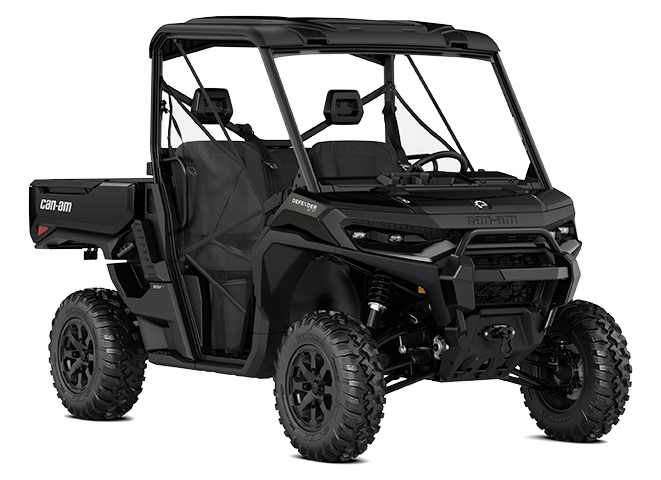
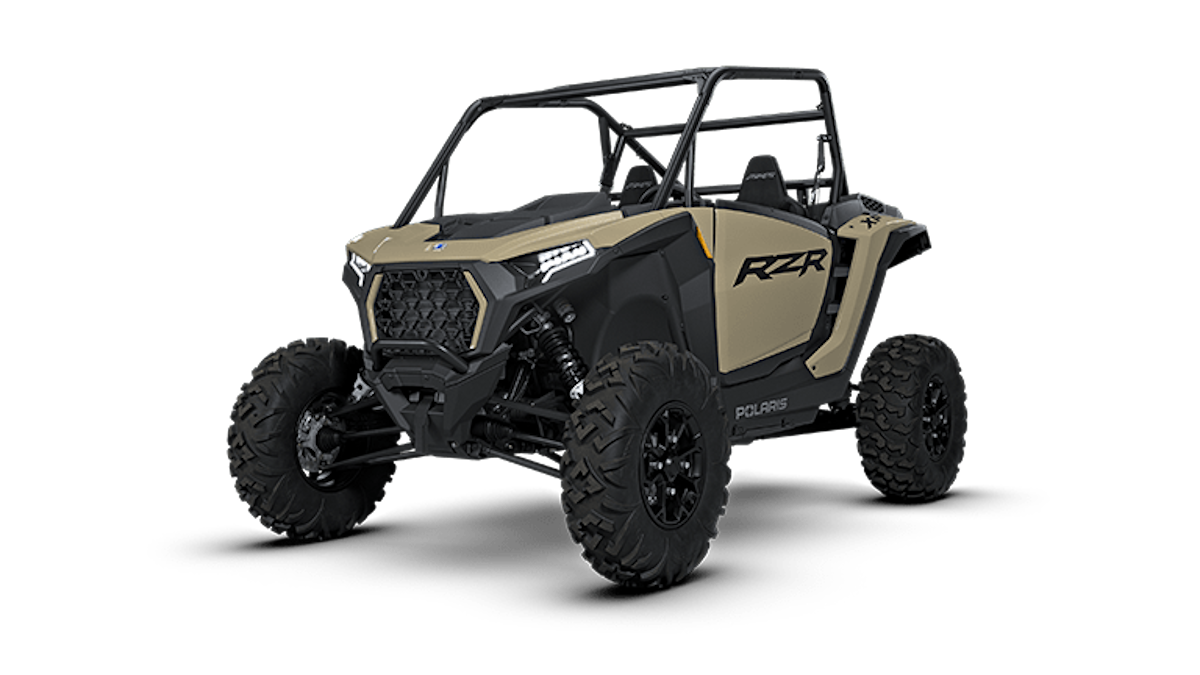
ATVPedia’s 2025 Polaris Ranger Crew XP 1000 record lists six seats, 82 hp, a 2,500 lb tow rating, 1,500 lb bed, 62.5-inch width, 116-inch wheelbase, 1,900 lb dry weight and a $19,999 base MSRP.
The CFMOTO is $500 less in the recorded base prices, claims six more horsepower and includes a touchscreen, audio and 4,500 lb winch. The Polaris counters with a bed rated 500 lb higher, a body 1.5 inches narrower and a published dry weight 161 lb lower. Towing and clearance match.
Those figures create two different priorities. The Ranger’s larger bed rating is meaningful for bulk material and heavy tools. The UForce offers more factory equipment for slightly less money. Local dealer strength, parts support and the final equipped quote can outweigh a small MSRP difference. Compare the U10 XL Pro and Ranger Crew XP 1000.
U10 XL Pro versus Honda Pioneer 1000-6 Deluxe Crew
The 2025 Honda Pioneer 1000-6 Deluxe Crew is another six-seat, 64-inch crew UTV. ATVPedia records a 116.4-inch wheelbase, 2,010 lb weight, 7.9-gallon tank, 2,500 lb towing and a $23,999 MSRP.
Honda’s defining difference is its six-speed dual-clutch transmission rather than a CVT. The DCT appeals to buyers who prefer fixed ratios and no drive belt. The CFMOTO costs $4,500 less in the recorded data, carries 3.9 gallons more fuel and includes a winch, touchscreen and audio in its base package.
The Honda is 51 lb lighter on the recorded figures and has a wheelbase 3.9 inches longer. The UForce asks less money while supplying a broader convenience package. The Pioneer offers a fundamentally different transmission and a long-established dealer ecosystem. Compare the U10 XL Pro and Pioneer Crew.
Who should buy the UForce U10 XL Pro?
Choose the open XL when four to six people ride regularly, work capacity matters and the machine operates mostly in fair weather. It is particularly compelling for a farm crew, hunting group, resort or large property that wants two rows, a power bed and generous standard technology without paying for HVAC.
Skip it when three seats cover normal use. The shorter U10 Pro is lighter, cheaper and much easier to place. Choose the Highland when cold, heat, rain or dust routinely interrupt work. A factory cab becomes rational when it changes the number of usable days rather than merely making the specification sheet longer.
Before signing, verify passenger fit, rear-seat access, trailer capacity and storage length. Ask the dealer about the initial service, CVT inspection, parts lead times and what the 12-month warranty covers. Operate the touchscreen and drive controls with gloves, and obtain a written out-the-door price that identifies any freight or setup charges.
Verdict
The 2026 CFMOTO UForce U10 XL Pro gets the difficult part right: it adds three seats without reducing the work ratings that make the platform useful. The 88 hp triple, 1,000 lb power bed, 2,500 lb towing and 4,500 lb winch remain intact.
Its size is not a footnote. A 148-inch body, 112.5-inch wheelbase and 2,061 lb dry weight demand room to turn, transport and store. Buyers who rarely fill the rear bench will be happier with the shorter Pro.
For a crew that genuinely needs six seats, the value is strong. At $19,499, the open XL avoids the Highland’s weight and $8,000 cab premium while retaining nearly all of the technology and mechanical capability. It is the U10 configuration for moving people and getting work done in the open air. Browse more CFMoto models, explore utility UTVs, visit the 2026 model-year hub, or create another matchup in the comparison tool.