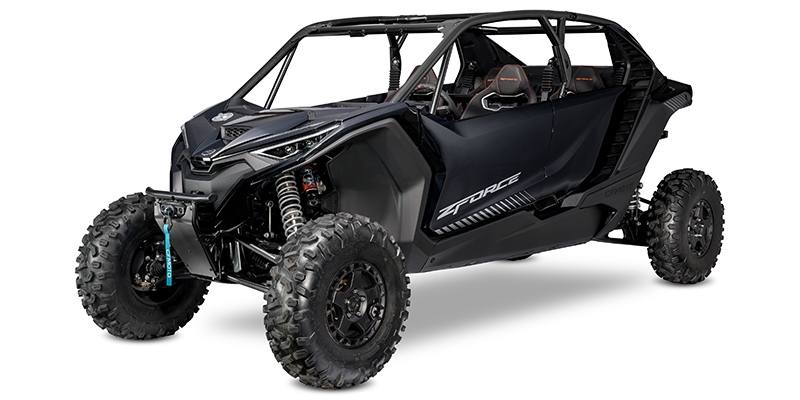
The Can-Am Maverick X3 Turbo is the doorway into one of the most celebrated sport side-by-side platforms ever built. Even in this entry turbo form, it gives you a boosted Rotax triple, a long-travel chassis and the low, wide, aggressive stance that made the X3 a desert-running icon. It is seriously fast and seriously capable. It is also the least powerful member of a family that climbs to 200 horsepower and beyond, so part of the story is knowing what you get here and what waits further up the range. Here is what the X3 Turbo does well, where it holds back, and who should buy it. (New to spec sheets? Our guide on how to read ATV & UTV specs covers which numbers matter.)
The X3 Turbo runs a 900cc turbocharged Rotax ACE triple making about 120 horsepower. That is a big step beyond the naturally aspirated sport machines in its price range, and the turbo delivers its punch with the kind of instant, endless-feeling pull that makes boosted UTVs so addictive. Roll into the throttle on an open trail or a dune face and it simply goes. The pDrive CVT handles the shifting and is tuned to keep the engine in its sweet spot.
Here is the important context, though. In the X3 family, 120 hp is the entry point. The X3 X rs Turbo RR makes 200 hp, and the range tops out higher still. The base Turbo is plenty quick for most riders, and it is the most affordable way onto the platform, but if your benchmark is the fastest thing in the dunes, know that this is the starting rung, not the summit.
The X3 chassis: why it handles the way it does
The engine gets the headlines, but the chassis is what makes the X3 special. It is light for a sport machine at about 1,400 lb, it rides on a long 102-inch wheelbase, and it runs a wide 64-inch stance, with a 72-inch option for even more stability. That combination is the recipe for high-speed composure. Where a shorter, narrower machine gets nervous over rough ground at speed, the X3 stays planted, flat and confidence-inspiring. This is a platform engineered to be driven fast, and it shows the moment the trail opens up.
Suspension and terrain: built for speed
With 13 inches of ground clearance and the X3’s long-travel suspension, the Turbo is in its element on open, fast terrain: desert washes, dunes, whooped-out two-track and high-speed trails. It soaks up big hits and carries speed where lesser machines have to back off. The base Turbo’s shocks are capable, though the trick, fully adjustable Fox units are reserved for the pricier RR trims, so hardcore riders who want the last word in suspension tuning will look up the range. For the vast majority of fast trail and dune riding, the Turbo’s setup is more than enough to grin about.
Where it sits in the X3 range
Because the X3 ladder is so wide, it is worth being clear about it. The Turbo is the affordable entry at $22,899, with 120 hp and a capable but not top-tier spec. Step up to the X3 X rs Turbo RR ($32,499) and you get 200 hp, the premium Fox 3.0 shocks and the Smart-Lok front differential as part of the package. If you need four seats, the X3 MAX X rs Turbo RR ($34,999) stretches the platform, and the newer Maverick R ($44,999) sits above everything with 240 hp. The Turbo’s job is to get you onto the X3 platform without the flagship price, and it does that well.
Who it’s for
The X3 Turbo is the right pick if you want the X3 experience, the handling, the looks and the turbo rush, at the most accessible price the platform offers, and you do not need the maximum-output RR models. It suits fast trail riders, dune and desert enthusiasts, and anyone who wants a genuinely thrilling machine that still leaves room in the budget. It is a pure toy in the best sense.
It is not the pick if you want the fastest X3, since the RR trims exist for that, or if you need to tow, haul or carry more than one passenger, because this is a two-seat sport machine with no work rating at all. If your riding is tight, technical and slow, a narrower trail machine or a rock-focused rig will suit you better than this wide, fast one.
How it compares
At $22,899 the X3 Turbo squares off against the best of the sport class, and the key dividing line is turbo versus naturally aspirated. Three to weigh:
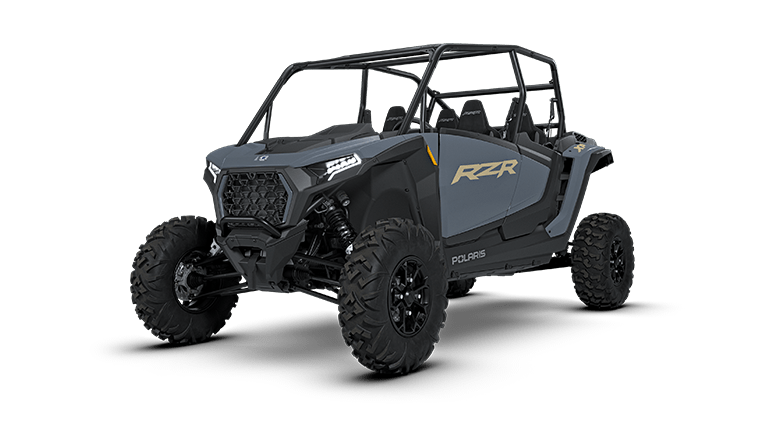
- Polaris RZR XP 1000, $21,299. The naturally aspirated benchmark, cheaper and 114 hp, with a more all-round character. The X3 answers with turbo punch and a chassis tuned for higher speeds. Boost versus simplicity. Compare them →
- Kawasaki Teryx KRX 1000, $22,199. Similar money, but a different mission. The KRX is a rugged rock-crawler and technical-trail machine, where the X3 is built to run fast and open. Choose by terrain. Compare them →
- Yamaha YXZ1000R SS, $22,299. The enthusiast’s wildcard, a naturally aspirated triple with a paddle-shift sequential gearbox for drivers who want to shift for themselves. More involving, less effortless than the X3’s turbo-and-CVT. Compare them →
If your heart is set on maximum boost, the Polaris RZR Turbo R ($30,999) is Polaris’s 181 hp answer at a higher price, and the naturally aspirated Arctic Cat Wildcat XX ($21,999) makes a strong 130 hp case without a turbo.
Where it sits in the Can-Am sport lineup
Can-Am’s sport range is broad. If the X3’s width is a problem for your trails, the narrower Maverick Trail 1000 ($16,499, 50 inches wide) and Maverick Sport 1000R ($18,999, 60 inches wide) are built to fit tighter terrain. Within the X3 family itself, the Turbo is the base, with the 200 hp X3 X rs Turbo RR ($32,499), the four-seat X3 MAX X rs Turbo RR ($34,999) and the 240 hp Maverick R ($44,999) stacked above it.
Price and value: is it worth it?
At $22,899 the X3 Turbo is not cheap, but no serious sport side-by-side is. Against its rivals it lands right in the mix on price while offering something most of them do not at this level: a turbocharged engine and a chassis genuinely engineered for high-speed running. The value question is really about matching the machine to your riding. If you ride fast and open, the X3 platform is worth every dollar, and the Turbo is the affordable way in.
So is it worth it? For the fast-trail and desert rider who wants the X3 experience without RR money, yes, it is one of the smartest buys in the sport class. Just be clear with yourself about power. If you know you will always want more, it can be cheaper in the long run to stretch for an RR now than to buy the Turbo and chase upgrades later. Taken on its own terms, though, the base X3 is a thrilling, capable machine that delivers the platform’s magic at its lowest price of entry.
Pros and cons
The good: a punchy 120 hp turbocharged Rotax triple, the celebrated X3 chassis with its light weight and high-speed stability, a wide stance with a 72-inch option, strong ground clearance and long-travel suspension, and a clear upgrade path within the family.
The catch: the least power in the X3 turbo range, base-level shocks and an optional rather than standard Smart-Lok diff, no tow or work capability, two seats only, and a turbocharged CVT driveline that rewards careful belt management when pushed hard.
The verdict
The 2025 Can-Am Maverick X3 Turbo is the key to one of the greatest sport side-by-side platforms at its most affordable. It brings real turbo performance and the X3’s superb high-speed chassis for thousands less than the range-topping RR models, which makes it the smart entry for fast trail and desert riders. The catch is that it is the entry, so if your ambitions run to 200 horsepower you will feel the ceiling, and stretching for an RR up front may save money later. But for the rider who wants the X3 experience without the flagship price, the Turbo delivers the thrill and the handling that made this platform famous. Just remember it is a pure sport machine, with no work capability at all.
Want to see it head to head with something specific? Drop it into the side-by-side comparison tool, or browse the full database to filter by power, width and price.