The 2025 Yamaha Wolverine RMAX2 1000 is a two-seat recreation UTV that blends serious trail performance with real utility. Its 999cc parallel-twin produces about 108 hp, while selectable 2WD and 4WD, D-Mode settings and self-leveling Fox shocks support varied terrain. A 2,000 lb tow rating gives it more work credibility than many pure sport machines. The cost of that breadth is a substantial 1,900 lb weight and a $20,799 price, so buyers should decide whether they need the full RMAX package or would be happier in the lighter X2 850. Our guide to reading ATV and UTV specs helps put those numbers in context.
The RMAX2 uses a 999cc liquid-cooled parallel-twin making about 108 hp. Power goes through Yamaha’s automatic Ultramatic CVT, so the driver can focus on line choice and throttle control rather than manual shifting. The output places it above crossover rivals such as the 100 hp Commander 1000R and General 1000 in the dataset.
D-Mode drive modes let the driver tailor the response to different conditions. That flexibility is useful because 108 hp can serve very different jobs, from controlled technical travel to faster open-trail recreation.
Drivetrain and suspension
Selectable 2WD and 4WD allow the RMAX2 to move between responsive rear-drive behavior and added traction. The Ultramatic CVT keeps operation simple, while the listed self-leveling Fox shocks address the changing loads that come with towing and recreation use.
Those features support the machine’s crossover character, but they do not make it small or light. At 1,900 lb, the Yamaha carries as much weight as some four-seat machines. That mass can help the chassis feel settled, yet it also affects braking distance, recovery and trailer requirements.
Towing and practical capability
The 2,000 lb tow rating is one of the RMAX2’s strongest specifications. It exceeds the 1,500 lb ratings of the Commander 1000R and General 1000, giving the Yamaha useful capacity for a moderate trailer or property equipment.
The dataset does not provide a cargo-bed rating, so buyers should confirm that figure rather than infer it from the vehicle’s appearance. Trailer balance, tongue load, terrain and braking room remain important before approaching the published maximum. The RMAX2 is recreation-first, even though it has enough towing ability to perform meaningful work.
Size and trail behavior
At 64 inches wide with an 86.7-inch wheelbase, the RMAX2 fits the full-size trail category. Its wheelbase is shorter than the Commander 1000R and much shorter than the four-seat RMAX4, which should help when space tightens. Ground clearance is 13.8 inches, useful for rocks and ruts without reaching the extra width of a dedicated rock-crawling machine.
The 9.2-gallon fuel tank is adequate but smaller than the 10-gallon Commander and 10.6-gallon Kawasaki KRX tanks in the dataset. Actual range depends on terrain and throttle use, so remote trips require planning. Buyers should also verify that a 64-inch UTV is legal and physically suitable for their intended trail system.
Who it is for
The RMAX2 1000 suits two people who want one machine for technical trails, faster recreation and occasional towing. Its combination of high output, drive modes and self-leveling suspension makes the most sense for riders who will use that breadth rather than simply commute around a property.
It is less suitable for buyers who need more than two seats, routinely use narrow trails or prioritize low purchase price. A compact recreation UTV can be easier to transport and recover. A pure sport model may also be more appealing to drivers who do not need towing capacity.
How it compares
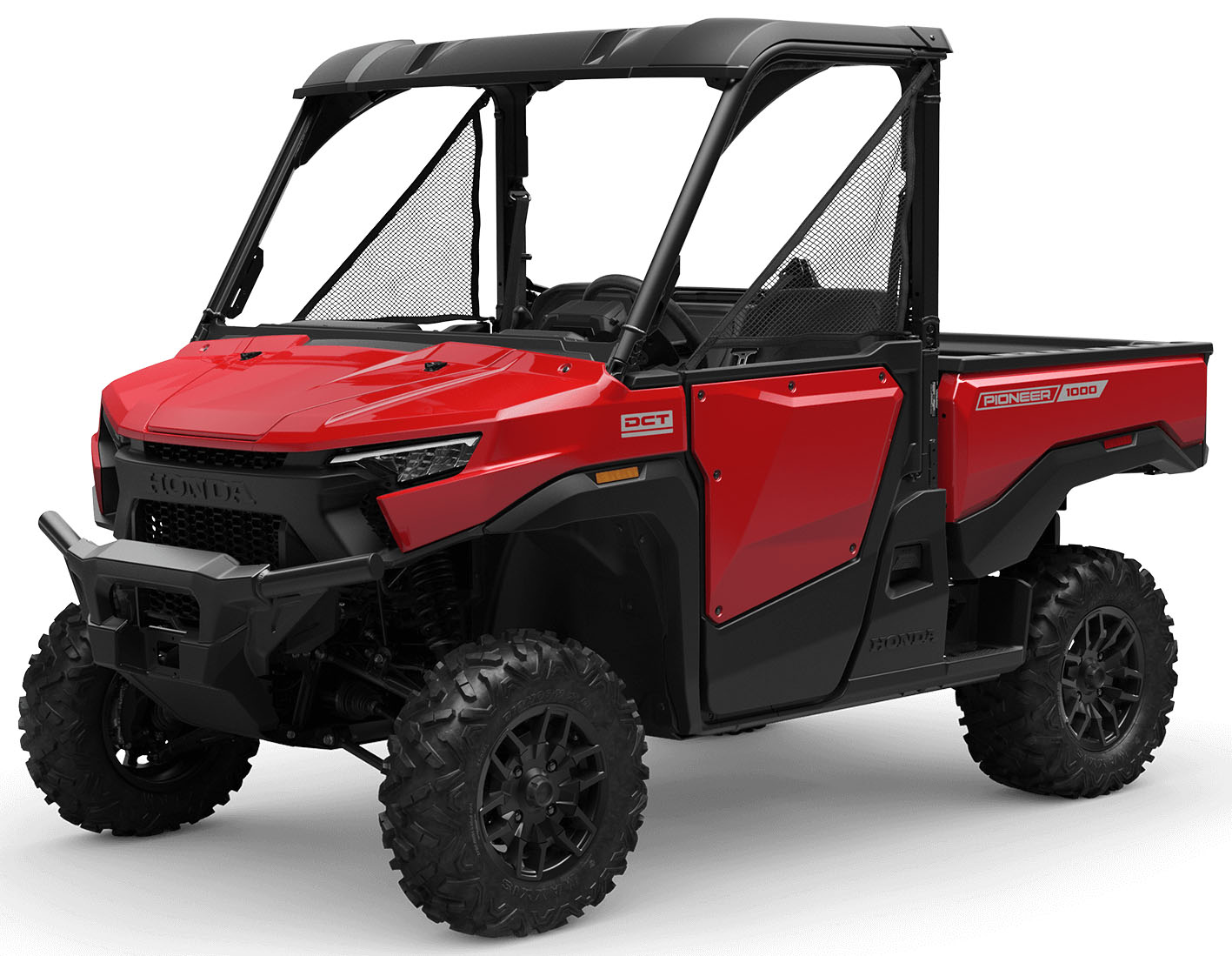
The Can-Am Commander 1000R makes 100 hp, weighs 1,550 lb and costs $16,999. It is narrower at 62 inches and tows 1,500 lb. The Can-Am saves $3,800 and 350 lb, while the Yamaha adds 8 hp, 0.8 inch of clearance and another 500 lb of towing. Compare their specifications.
The Polaris General 1000 costs $18,999 and makes 100 hp. At 1,650 lb and 62.5 inches wide, it is lighter and narrower than the Yamaha, but its 1,500 lb tow rating and 12 inches of clearance are lower. The RMAX2 costs $1,800 more for additional power, towing and clearance. See the direct comparison.
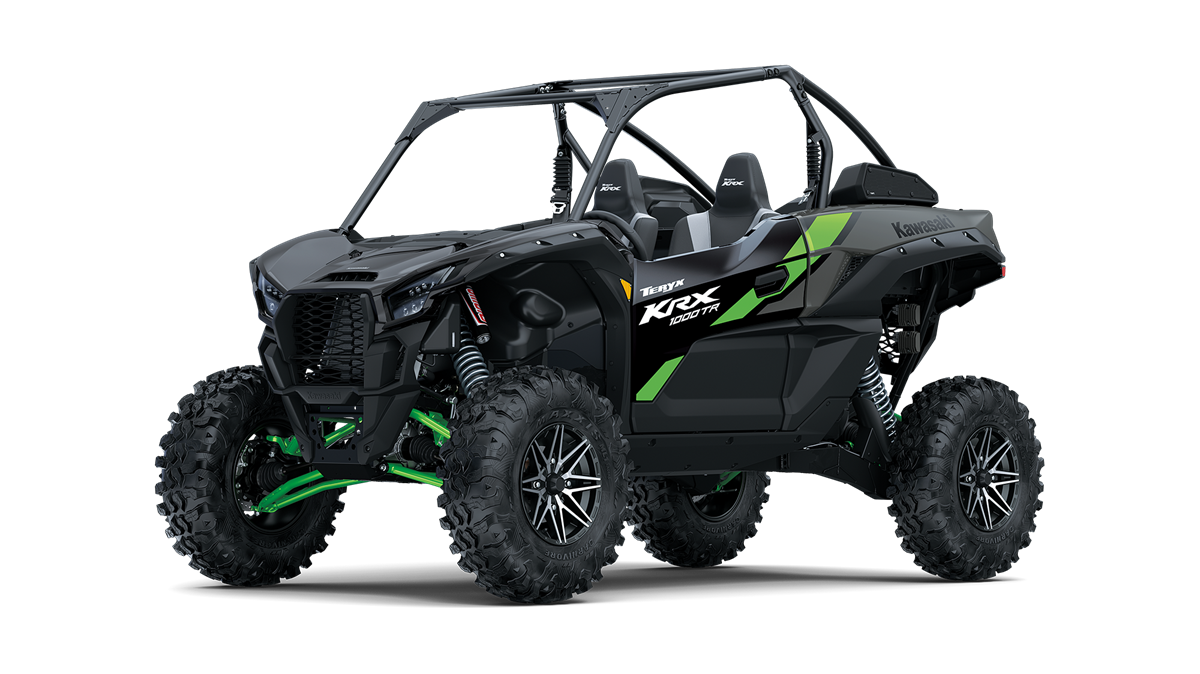
The Kawasaki Teryx KRX 1000 makes 112 hp, weighs 1,896 lb and costs $22,199. It is 68.5 inches wide and has no tow rating in the dataset, reflecting a more specialized sport and rock-crawling purpose. The Kawasaki offers 4 more hp and 14.4 inches of clearance, while the Yamaha is 4.5 inches narrower, $1,400 less and far more useful for towing. Compare both machines.
Where it sits in Yamaha’s lineup
The Wolverine X2 850 is the compact two-seat alternative. It makes 70 hp, weighs 1,500 lb and costs $16,499 while matching the RMAX2’s 2,000 lb tow rating. The RMAX2 adds 38 hp, 2.4 inches of clearance and 3.4 inches of width for $4,300 more. Compare the two-seat Wolverines.
The Wolverine RMAX4 1000 shares the 108 hp engine, 64-inch width and 2,000 lb tow rating. It seats four, weighs 2,100 lb and stretches the wheelbase to 122 inches. The extra seats cost $3,000 and reduce the compactness that makes the RMAX2 attractive. Compare the RMAX models.
Price and value
At $20,799, the RMAX2 is not a budget recreation UTV. Its value comes from combining 108 hp, selectable 4WD, drive modes, self-leveling shocks and 2,000 lb towing in one two-seat package.
The weight and price are real drawbacks. Buyers who do not need the added power or suspension specification can save substantially with the X2 850 without losing the published tow rating.
Pros and cons
The good: 108 hp, selectable 2WD and 4WD, D-Mode settings, self-leveling Fox shocks, 13.8 inches of clearance and a 2,000 lb tow rating.
The catch: 1,900 lb weight, only two seats and a $20,799 starting point. It is wider than compact trail machines, and the dataset does not provide a cargo-bed rating.
The verdict
The 2025 Yamaha Wolverine RMAX2 1000 is a capable recreation crossover for two riders who want strong power without giving up towing ability. Its short-for-class wheelbase, drive modes and suspension specification support serious trail use, while the 2,000 lb rating gives it practical range beyond pure sport machines.
Its case weakens when power is not the priority. The X2 850 is lighter, narrower and $4,300 cheaper while towing the same amount. If 108 hp and the upgraded chassis will be used, the RMAX2 earns its place. Add it to the comparison tool, or browse the full database by power, towing and price.